
Why Banks Can’t Rely on One-Time Passwords Anymore
12:45
Banks rely on one-time passwords, but the next phase of security must be more nuanced, Entersekt CEO Schalk Nolte tells PYMNTS.
Related Videos
For "why banks"
-
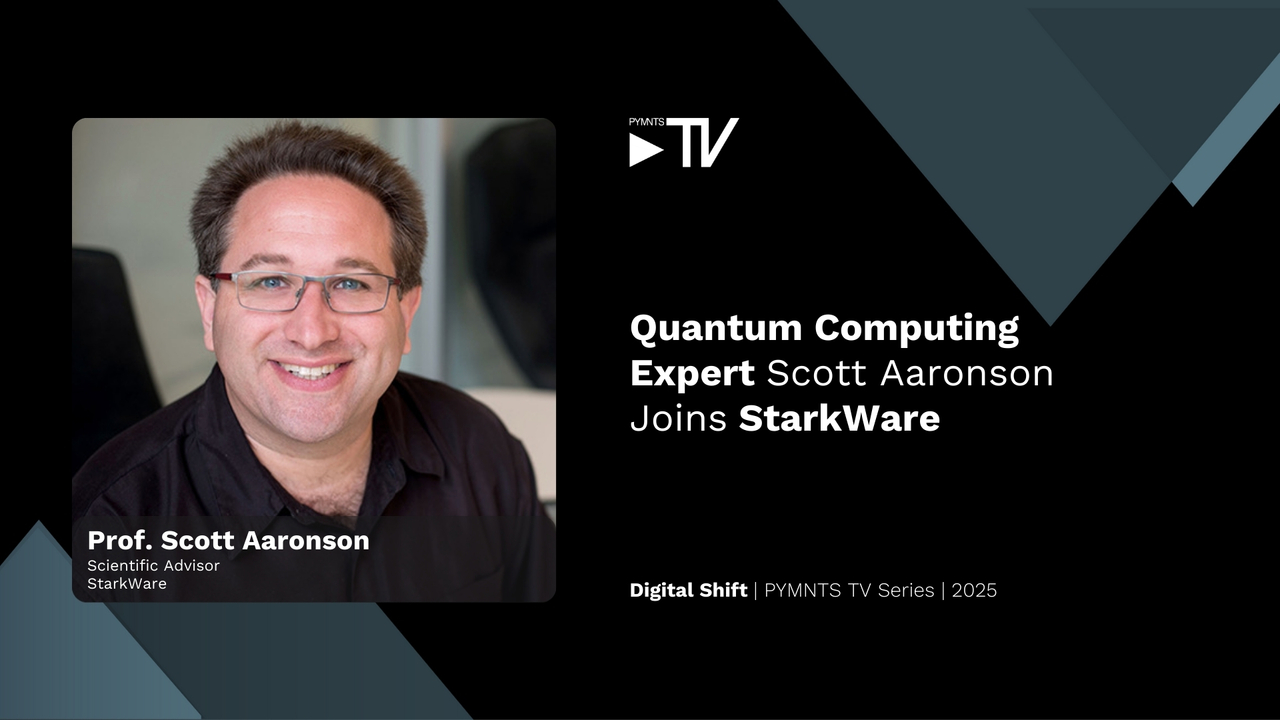
Play video Quantum Can’t Do Much yet but Banks Can’t Afford to Wait
Quantum Can’t Do Much yet but Banks Can’t Afford to Wait
Quantum computing pioneer Professor Scott Aaronson explains why the financial system’s looming encryption crisis can’t afford to wait.
4:48
-
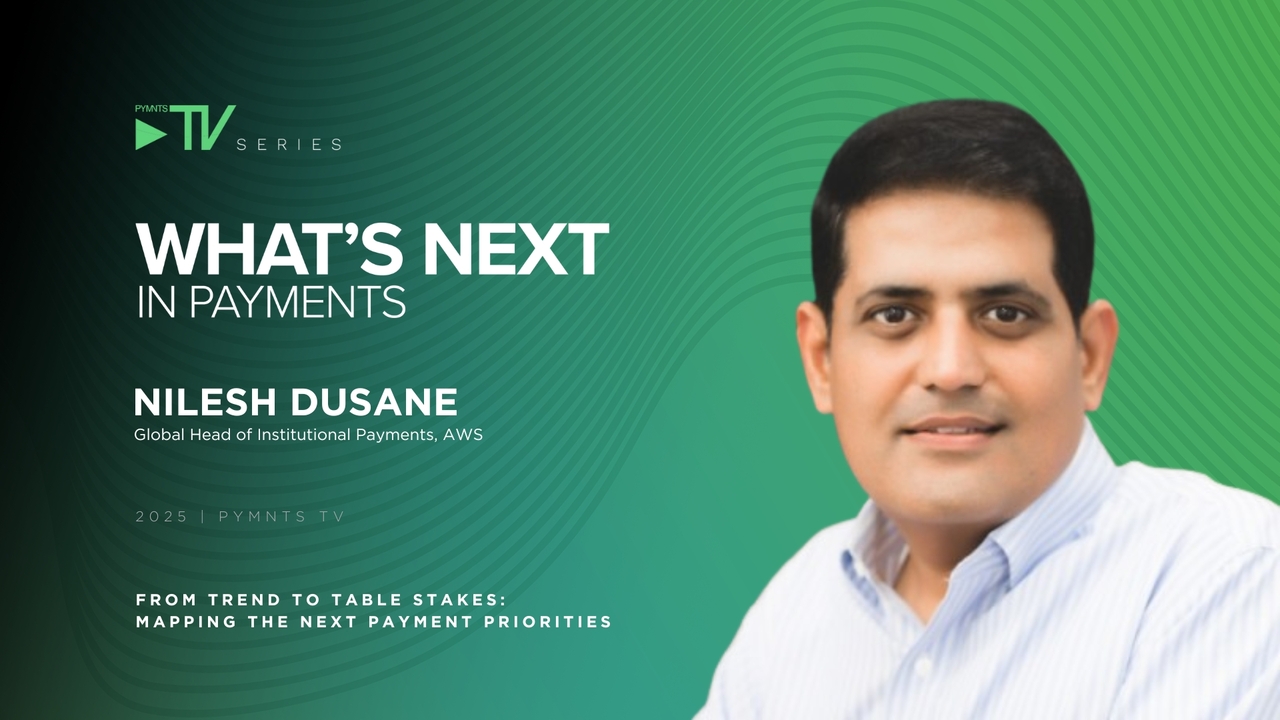
Play video Cloud-Native Payments Let Banks Treat Data Like Rocket Fuel
Cloud-Native Payments Let Banks Treat Data Like Rocket Fuel
Nilesh Dusane of AWS discusses why the cloud is becoming an enabler for financial institutions to build and deliver modern payments at scale.
4:24
-
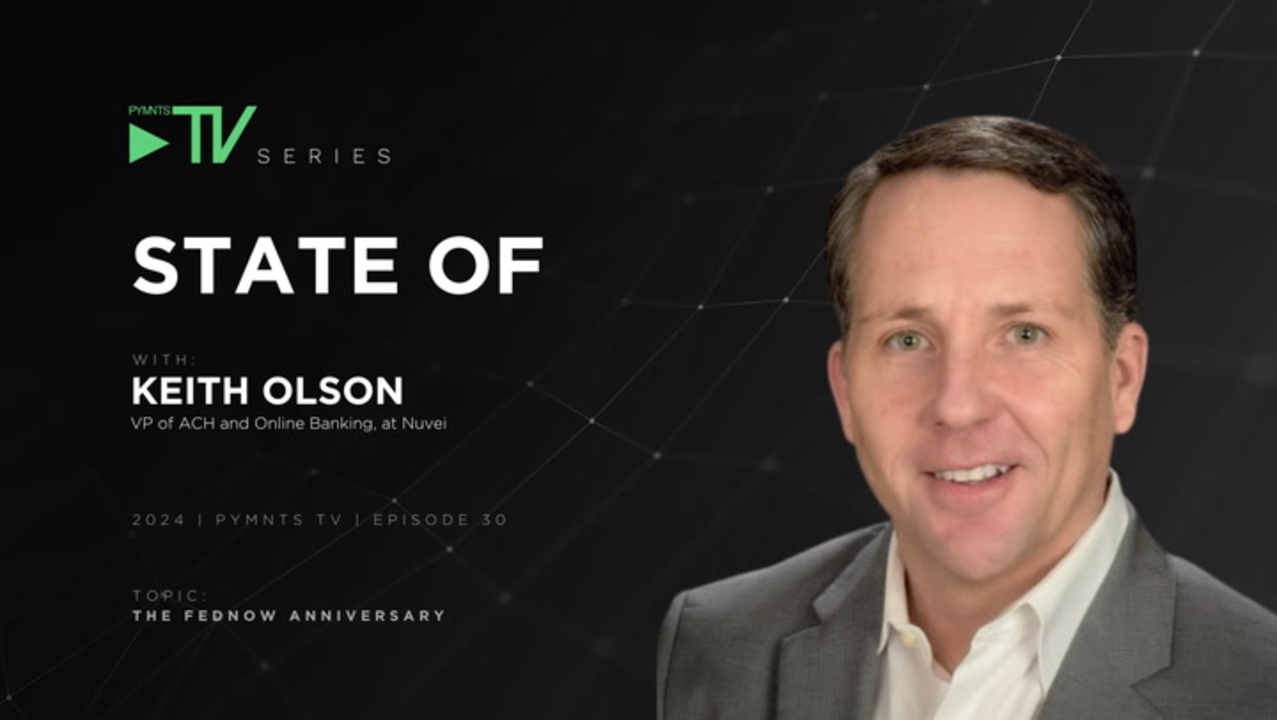
Play video Why New Use Cases Like Pay by Bank Will Fast-Track FedNow
Why New Use Cases Like Pay by Bank Will Fast-Track FedNow
Keith Olson, vice president of ACH and online banking at Nuvei, says FedNow has reached impressive milestones, but new use cases and ubiquity will require the creation of a true network that brings pay-by-bank and other options to all U.S. accounts.
18:16
-
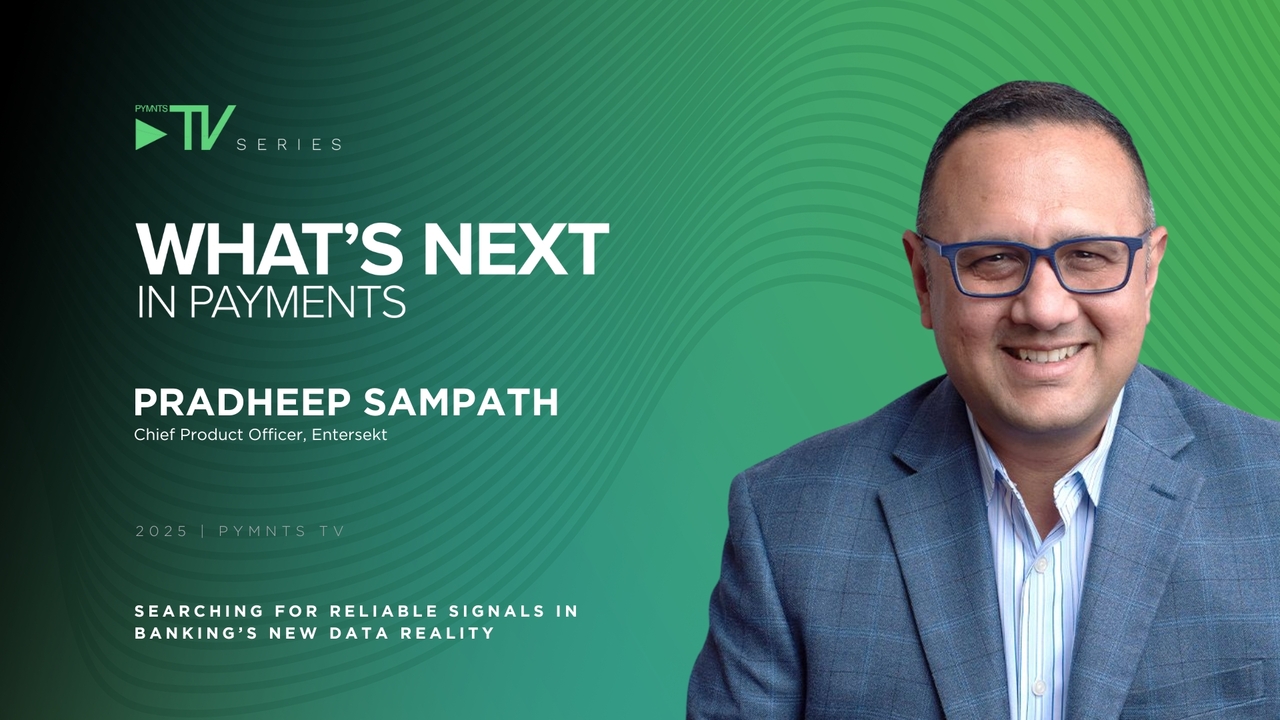
Play video Clip: Fraudsters Share Playbooks, So Why Won’t Banks Share Data?
Clip: Fraudsters Share Playbooks, So Why Won’t Banks Share Data?
Entersekt's Pradheep Sampath tell PYMNTS that fighting fraud demands a blend of traditional data and a consortium approach.
1:07
-
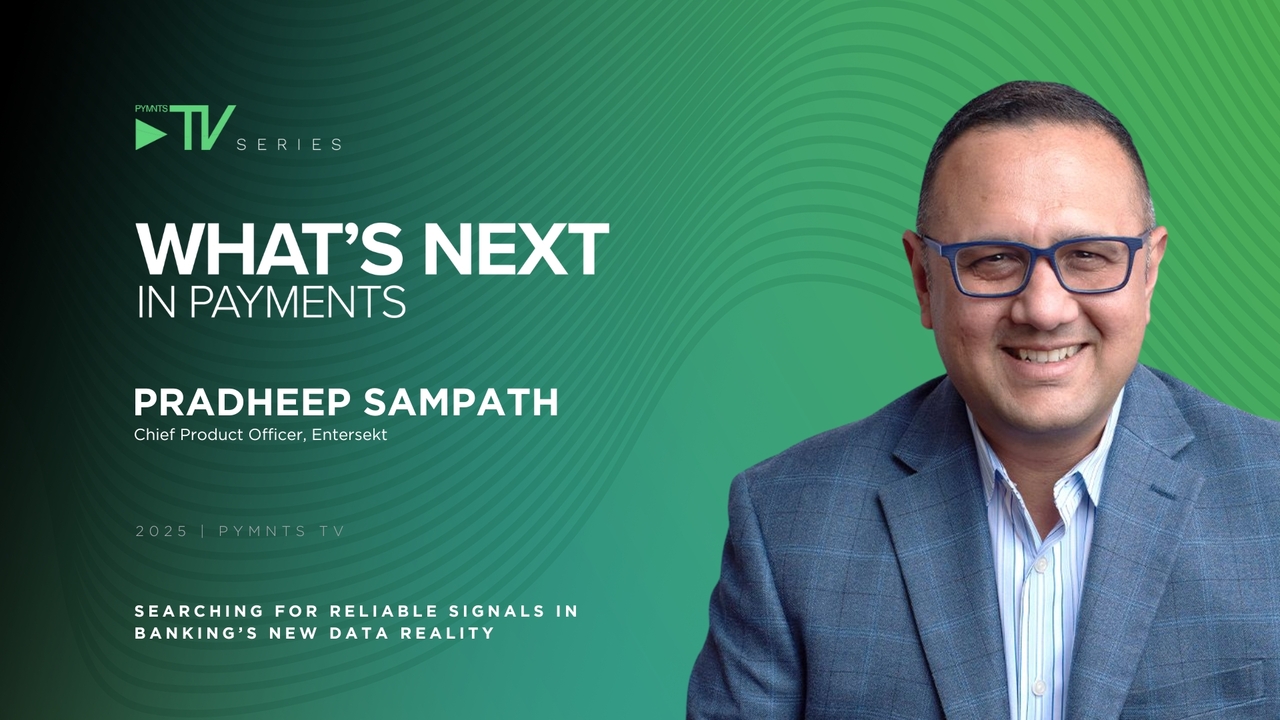
Play video Fraudsters Share Playbooks, So Why Won’t Banks Share Data?
Fraudsters Share Playbooks, So Why Won’t Banks Share Data?
Entersekt's Pradheep Sampath tell PYMNTS that fighting fraud demands a blend of traditional data and a consortium approach.
5:13
-
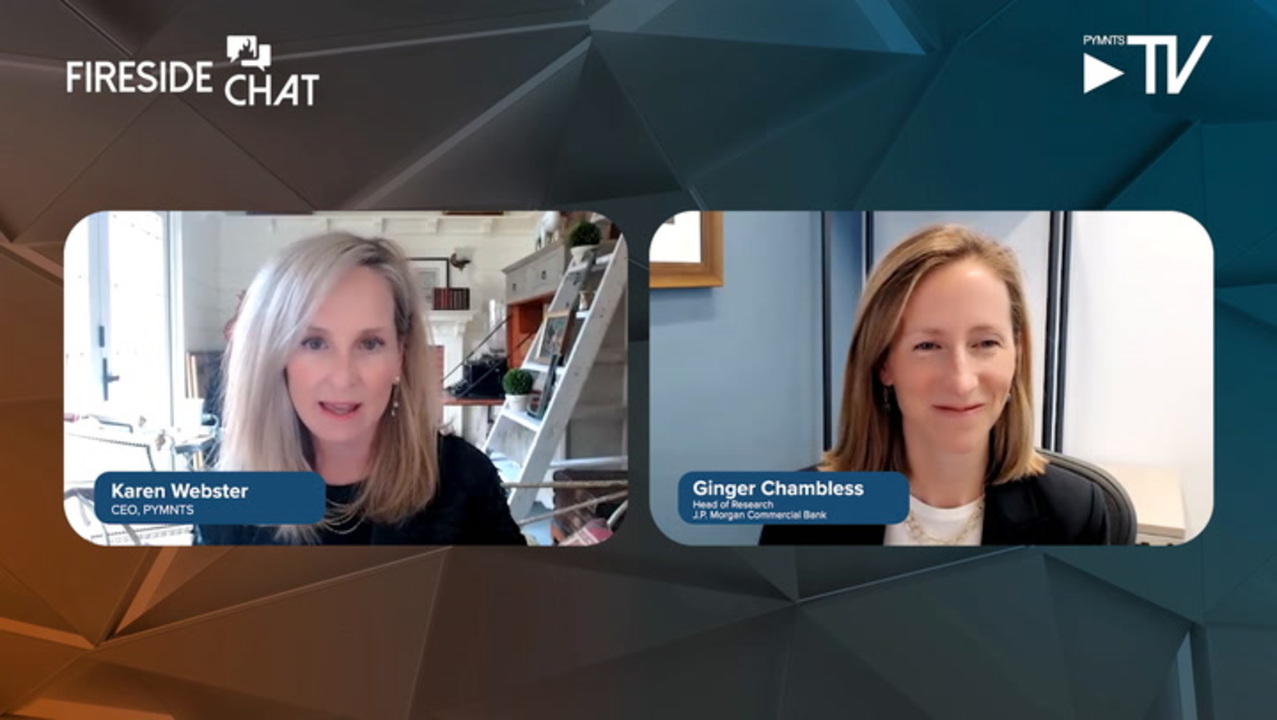
Play video JPMorgan Chase on Why Businesses Are 'Cautiously Optimistic' Headed Into 2024
JPMorgan Chase on Why Businesses Are 'Cautiously Optimistic' Headed Into 2024
War. Bank runs. Interest rates at decades-long highs. Ginger Chambless, head of research at J.P. Morgan Commercial Bank, tells Karen Webster that 2023 tested businesses' resilience and they're ready to meet the challenges that lie ahead, even if cons
25:00